




Dome of the Rock

Contents |
[edit] Introduction
The Dome of the Rock is an Islamic shrine located on the Temple Mount in the Old City of Jerusalem. It is considered to be one of the oldest and finest examples of Byzantine and emerging Islamic architecture.
The shrine was built over a rock considered sacred by both Muslims and Jews. The Prophet Muhammad is believed to have ascended into heaven from the site, while in Jewish tradition, Abraham is believed to have prepared to sacrifice his son Isaac on the site.
An inscription establishes the date of completion of the Dome of the Rock as 691-692, having been built by the order of Umayyad Caliph Abd al-Malik on the site of Herod’s Temple which was destroyed during the Roman Siege of Jerusalem in 70 CE.
The Byzantine Christian model of churches and martyriums was followed for the overall form of the architectural dome, as well as the decorative mosaics. This is combined with Quranic inscriptions that adorn the building, promoting the virtues of Islam over Christianity.
[edit] Design and construction

The building is dominated by its large, wooden-gilt dome, approximately 20 m in diameter, and rising to a height of 30 m above the surrounding stone-paved platform. The dome’s shape symbolises the soaring ascent to heaven, and its circle represents the wholeness and balance that is essential to the Muslim faith.
The platform is supported by a circular arcade of four piers and twelve columns. An octagonal arcade surrounds this circle, comprising eight piers and sixteen columns, which help support the dome. The octagon is repeated in the outer wall, each of the eight sides measuring 18 m in width and 8 m in height.
The colour of the shrine is also symbolic. Sky blue suggests infinity, while gold represents the colour of the knowledge of Allah.
The interior decorations are extensive and elaborate. There are 1,280 sq. m of intricate mosaics covering the walls from a variety of periods, as well as painted timber, marble, multi-coloured tiles, carpets and carved stone. The mosaics use intricate patterns and geometric shapes in place of figurative art.
The walls enclose a portion of the sacred rock which is exposed and protected by a railing, while a stairway leads to a natural cave beneath the surface.
[edit] Post-construction

The Dome of the Rock has been modified several times since it was completed in the 7th century, with each new group that conquered Jerusalem laying claim to the structure in its own way. In 1016, the original dome collapsed and was rebuilt in 1021.
In the 16th century, the Ottoman sultan Suleyman the Magnificent replaced the exterior mosaics with 45,000 blue and gold ceramic tiles.
In 1994, Jordan and Saudi Arabia donated 80 kg of gold to serve as a new covering for the iconic dome.
[edit] Related articles on Designing Buildings Wiki
IHBC NewsBlog
IHBC sponsors Gardens Trust event 23-4 Sept 2026
.jpeg)
'Learning from the Past, Shaping the Future’ takes place in Milton Keynes
Renovations to Frank Lloyd Wright's Fallingwater complete
.jpg)
World Heritage Preserved project opens house for tours again
Shakespeare Birthplace Trust places Hall's Croft on HAR Register
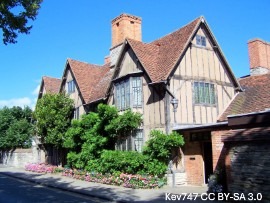
Stratford-upon-Avon home of Shakespeare's daughter is 'At Risk'
Lady Grange’s House repaired on St Kilda
.jpg)
National Trust for Scotland repairs stone cleit with link to famous island resident
Griff Rhys Jones on BBC Radio 4 Today programme
,_Green_Lane,_Derby.jpg)
The Victorian Society’s President unveiled its latest Top Ten Endangered Buildings 2026.
Need a MATE? Book your place now.

IHBC offers free webinars on applying for IHBC accreditation (Full & Associate).
UK Stained Glass Repository finds windows new homes
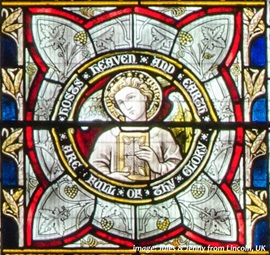
How are stained glass windows are rescued, stored and repurposed?
APPGEBE report sets high aims for quality
'Government must not sacrifice quality in drive to build 1.5m homes'
New measures protect Historic Shipwrecks from heritage crime

Underwater cultural heritage benefits from new HE guidance
How could the City of London skyline look in 6 years' time?

Visualisation shows approved planning applications as completed buildings
National Trust for Scotland calls for VAT cuts
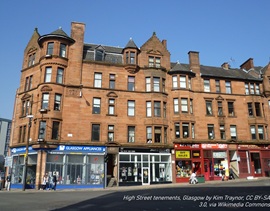
Heritage neglect is encouraged by current policies
IHBC's 'Context' Issue 186 features Industrial Heritage

IHBC's members' journal reports on the challenges of conserving infrastructure
Book now for IHBC Annual School 2026

IHBC Annual School is taking place 18-20 June 2026 in Newcastle
RICHeS Research Infrastructure offers ‘Full Access Fund Call’
RICHeS offers a ‘Help’ webinar on 11 March
Latest IHBC Issue of Context features Roofing
Articles range from slate to pitched roofs, and carbon impact to solar generation to roofscapes
Three reasons not to demolish Edinburgh’s Argyle House

Should 'Edinburgh's ugliest building' be saved?
IHBC’s 2025 Parliamentary Briefing...from Crafts in Crisis to Rubbish Retrofit
IHBC launches research-led ‘5 Commitments to Help Heritage Skills in Conservation’
How RDSAP 10.2 impacts EPC assessments in traditional buildings

Energy performance certificates (EPCs) tell us how energy efficient our buildings are, but the way these certificates are generated has changed.